Before buying your next GNSS receiver, consider what your field work requires—and what your current equipment can still do. This buyer’s guide helps you compare upgrading, buying refurbished, and expanding existing capabilities, with a practical look at complete-kit costs, compatibility, and support.
Look at the work ahead and the equipment in your truck. You may need a new capability, another GNSS receiver for an additional crew, or a way to get more capability from equipment you already own.
Your team is expected to complete more work, deliver dependable data, and avoid costly mistakes. The budget has limits. The useful question is not simply which receiver to buy. It is which combination of equipment, software, and support will help your crews meet the requirements of the job.
Keep your GNSS receiver if it meets the job’s requirements. Explore compatible configurations when you need more capability from equipment you own. Compare factory refurbished receivers when you need additional equipment, and upgrade when a new capability addresses a specific field need. Evaluate the complete kit and ongoing costs before deciding.
What should you assess before buying a GNSS receiver?
What GNSS accuracy does your work require?
Think beyond the points, lines & polygons you collect today. Will it become part of your GIS system of record? Support construction or maintenance? Help another crew return to the same asset?
Define the accuracy and documentation your project requires, including any applicable contractual or regulatory requirements. Consider the consequences of incorrect data and how you will check the results. Do not select equipment solely by its best advertised accuracy; ask whether the proposed configuration can meet your requirements under the conditions where you work.
Which field tasks, applications, and site conditions must the kit support?
Collecting asset locations, returning to existing features, and staking planned points are different tasks. Identify the work, the field application, and the deliverable before choosing hardware.
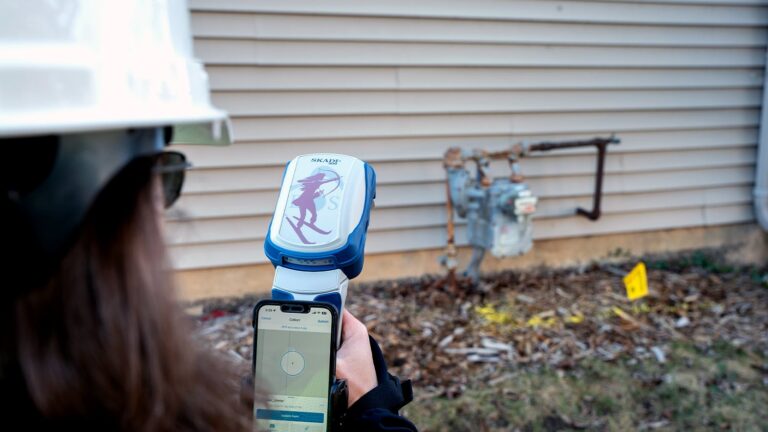
Then look at the site. Tree canopy, buildings, waterways, access restrictions, and hard-to-reach assets can affect how you collect data. Describe where your current process slows down or requires a second visit. That gives your dealer a specific problem to evaluate rather than a general request for a newer receiver.
Which GNSS correction source will your work require?
Identify which correction options are available at your sites and what equipment, connectivity, setup, and subscriptions each requires. Compare those requirements with your accuracy needs and the way your crew works.
If your team revisits sites, ask how the proposed setup will support consistent positioning between visits. Do not assume either a subscription service or an owned base automatically resolves that requirement.
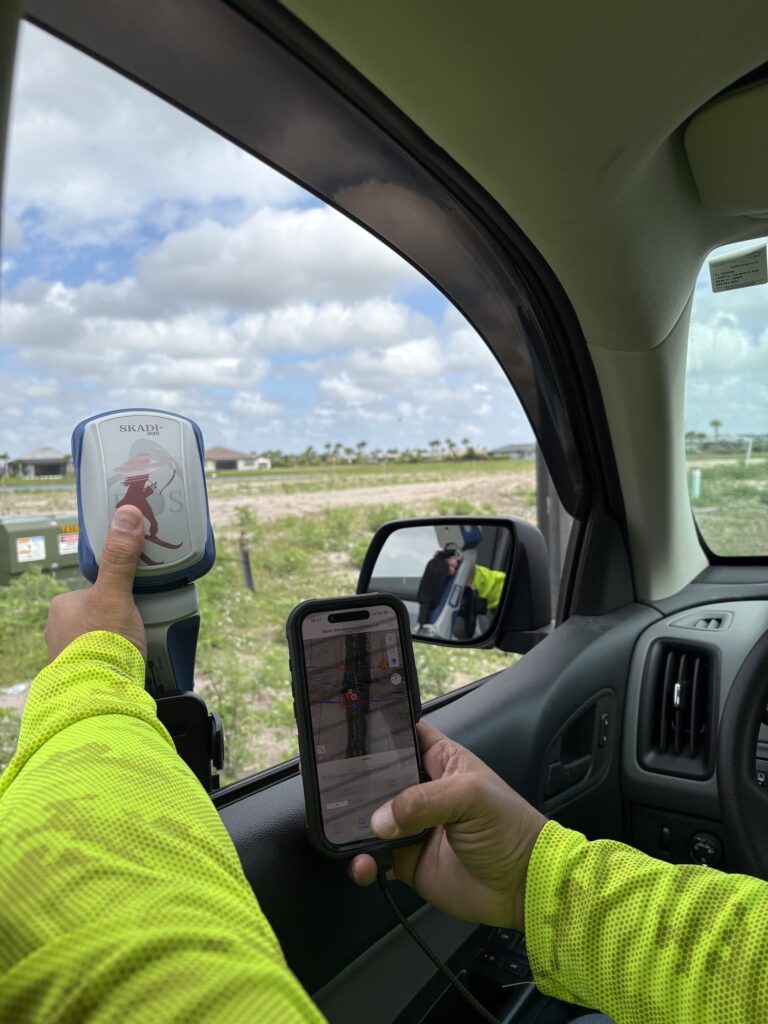
A local base station can shorten the distance between your base and rover. Ask your dealer whether a FastRTK or FASTRTK2Go configuration would suit your job sites.
Where does equipment slow your crew down?
Your team may already know how many receivers it would like. The harder question is which investment will make the most useful difference within the available budget.
Is equipment sharing delaying work? Are difficult-to-reach points creating extra steps? Does a configuration depend on one experienced technician to keep it running?
Check whether the proposed equipment addresses the problem holding up your crew. Ask for a demonstration using a representative task, and include setup, checks, training, and data handling in the comparison. Faster collection is only useful if the crew can also meet the job’s quality requirements.
Compare keeping, expanding, buying refurbished, and upgrading
These are not mutually exclusive choices. You might upgrade one kit, expand what an existing receiver can do, and add a refurbished receiver for work that does not require the new capability.
Keep your current receiver
- Consider it when: It already meets the work requirements.
- Check before deciding: Equipment condition, application compatibility, and service availability.
Expand the capabilities of equipment you own
- Consider it when: A supported configuration could address an additional field need.
- Check before deciding: Model eligibility, required components, software and licensing, and complete configuration cost.
Add a refurbished receiver
- Consider it when: Your crew needs another suitable receiver rather than an advanced feature.
- Check before deciding: Testing, condition, warranty, support, and the cost of a complete working kit.
Upgrade to a new receiver
- Consider it when: Your current kit cannot meet a defined requirement.
- Check before deciding: Demonstrated capability, operating limitations, compatibility, and total cost.
When should you keep your current GNSS receiver?
A receiver does not need replacement simply because a newer model exists. If your current kit meets the project’s requirements, works with your applications, and remains serviceable, keeping it may be the right decision.
Identify the actual gap before committing to new hardware. It might be an accessory, a correction-service issue, training, or a workflow problem rather than the receiver itself. Warranty expiration should be part of the risk assessment, not an automatic replacement date.
Can you get more capability from your existing GNSS receiver?
Ask whether your existing GNSS receiver can support a configuration that expands what you can do in the field.
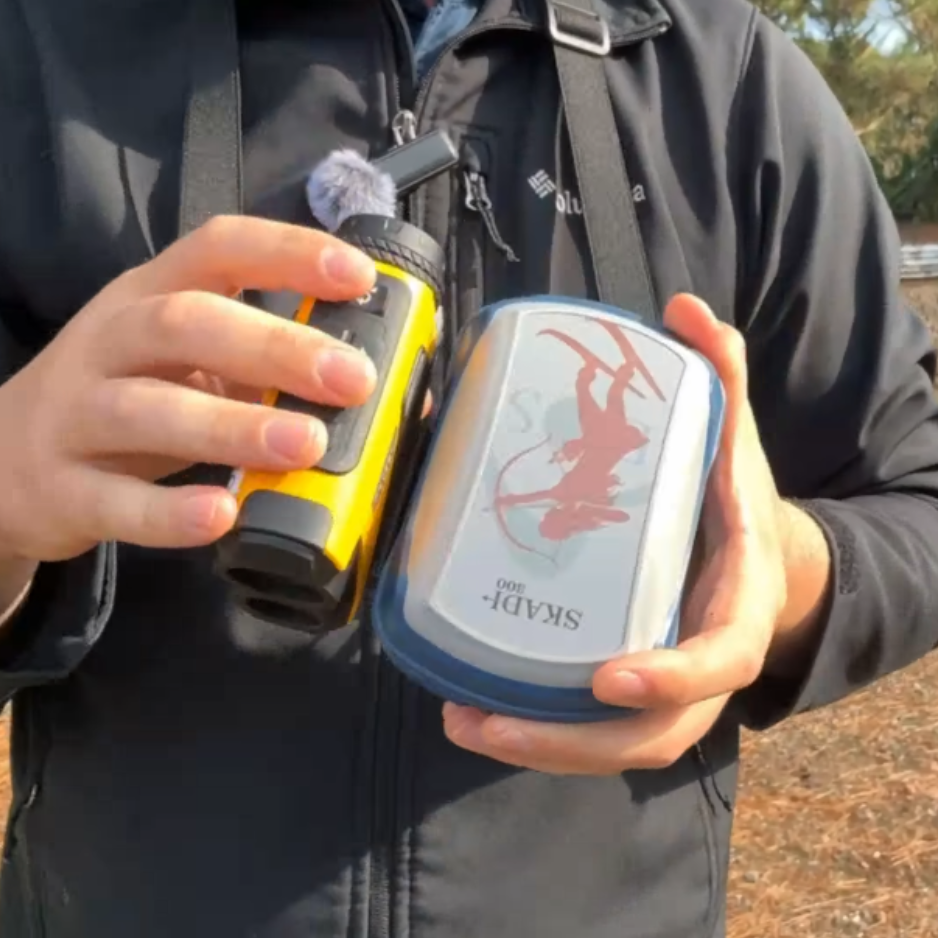
If you own a Skadi 200™, Skadi 300™, or Skadi Gold™, ask your dealer whether it can be used in a Skadi LR configuration for remote measurement. Have your dealer identify the required measurement equipment, bracket, software, and licensing, and explain the configuration’s limitations.
Start with the points your crew struggles to reach or collect. Ask for a demonstration of the proposed Skadi LR configuration on a representative task, and compare the collection steps and resulting data with your current method. Include the required accessories, software, and training in the cost comparison.
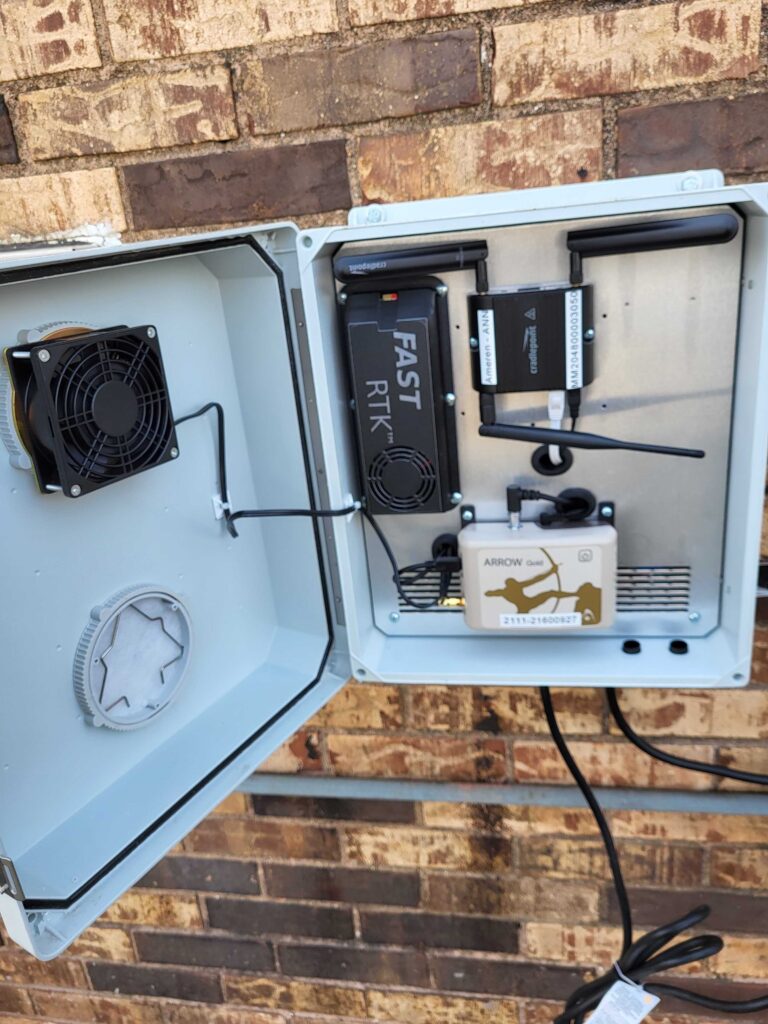
If you own an Arrow, Gold or Gold+, ask your dealer whether it can serve as an RTK base station using the appropriate FastRTK solution. Discuss whether this solution fits your work and what it requires for hardware, licensing, base placement, coordinates, power, and connectivity.
Compare the proposed base-station setup with the correction service you use today. Include where the base would be placed, how you would establish its coordinates, what power and connectivity it would need, and who would manage it. Evaluate whether the complete setup fits your sites and budget—not simply whether you already own a receiver that could be used.
The buying question is practical: what would you need to add, and would the completed configuration meet the intended task at a reasonable total cost? Leveraging existing equipment is valuable when it gives your crew more useful capability from an investment you have already made.
When should you buy a factory refurbished GNSS receiver?
Sometimes crews need access to another suitable receiver, not a more advanced feature. If crews wait for a shared receiver, adding a refurbished unit is worth comparing with buying new.
Choose the model around its assigned work. Ask whether it supports the accuracy, correction source, application, and accessories that the task requires. A lower purchase price is only useful if the receiver can do the job and the full configuration fits the budget.
When should you upgrade your GNSS receiver?
A new Skadi GNSS receiver belongs in the comparison when the proposed model and configuration address a requirement your current kit cannot meet.
Name the difference you need to see: collecting a previously difficult point, supporting a required application, or removing a specific collection bottleneck. Then ask your dealer to demonstrate the relevant capability and explain its requirements and limitations between the specific Arrow and Skadi models you are considering. Check the features required for your work rather than assuming every model supports the same capabilities.
You do not have to replace every receiver to improve the fleet. Match the new capability to the work that needs it, and keep using existing equipment wherever it meets your requirements.
What should you include in a GNSS field kit budget?
Once you have a preferred path, check everything needed to put it to work. A receiver price alone does not tell you what the finished solution will cost or how it will fit your operation.
Condition, warranty, and support
Assess existing equipment before adding to its configuration. Include its operating condition, battery condition, repair needs, and available support. Ask for the same information when evaluating refurbished equipment.
Confirm warranty coverage in writing for each item, including who provides it and what is excluded. Ask about repair options and expected service availability. Do not assume discontinued sales, warranty expiration, and the end of technical support mean the same thing.
Compatibility and accessories
List what you already own and what you still need: the field device, mounting components, power supplies, cables, measurement tools, and any required activations.
Have your dealer confirm compatibility for the exact models and intended configuration. Include all required components in the quote so you can distinguish the savings from using equipment you already own from a configuration that needs substantial additional equipment.
Software and data delivery
Start with the applications your crews use and the system that receives their work. Confirm that the proposed hardware and software combination supports the required collection, positioning, and data-delivery process.
If you plan to change applications, include that transition in the evaluation. A hardware purchase should not leave your crew with an unresolved connection between field collection and the system of record.
Training and routine use
Plan how the configuration will move from a demonstration into routine use. Identify who needs training, what they need to practice, and how they will confirm acceptable results.
Ask your dealer what training and follow-up support are available. Test the complete workflow with the people who will use it, not just the person selecting it. Include procedures for setup, quality checks, and troubleshooting so the kit does not depend on one technician’s knowledge.
Ongoing costs and expected return
Request an itemized estimate that separates the initial investment from recurring costs. Include applicable software licenses, correction services, connectivity, maintenance, training, and support. Confirm which costs change when you add another receiver or user.
Compare the options over the same planning period. Expanding what existing equipment can do may require additional components or licensing. A refurbished receiver may leave room for another useful purchase, but still needs a complete operating kit. A new configuration may cost more initially but still be worth considering if a field trial shows it addresses a problem your crew encounters.
Check whether the investment is worthwhile by looking at your own work: time spent waiting for equipment, repeat visits, setup, collection, and rework. Record how the current kit performs, then use a trial or demonstration to compare. Do not assume the savings from the product description alone.
Bring your field task to your dealer
Bring your receiver models, current applications, correction setup, and next field task to your Eos Positioning Systems® dealer. Explain where the current kit falls short, what the finished work must support, and the budget available for both purchase and ongoing operation.
Ask for configurations that show what you can keep, where you can get more capability from equipment you own, and where refurbished or new equipment would make a useful difference. Request the complete cost and a way to evaluate the proposed solution against your work.
The goal is not to replace every receiver or buy the largest possible fleet. It is to put suitable, supportable equipment into the field where it can make a difference, while keeping equipment that still does its job.
Additional Resources: Choosing the Right Eos GNSS Receiver [Ebook]